Relax&Wax

Sugaring vs Waxing: which is better for sensitive skin?

Both remove hair from the follicle. They are not the same treatment. Here is exactly how organic sugaring and traditional waxing differ — in ingredients, comfort, technique and results — so you can book the method your skin will thank you for.

Book your session
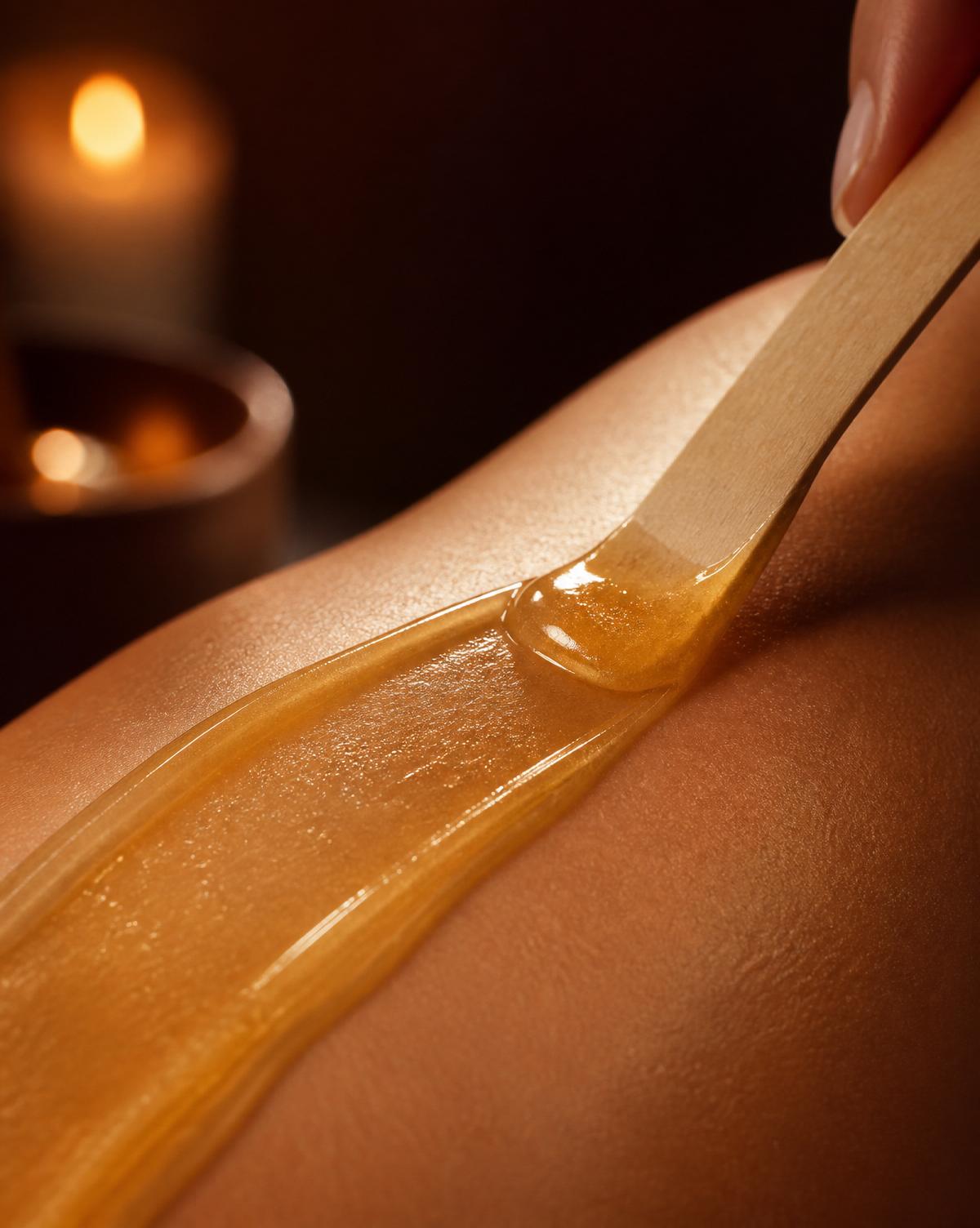
Hard wax being applied during a professional Brazilian waxing session

Traditional waxing

Hard wax is used on sensitive zones — bikini, underarms, face — because it shrink-wraps the hair and lifts off without strips. Soft wax covers larger areas like legs, arms, chest and back. The wax is applied warm and removed against the direction of growth, so the hair leaves by the follicle. Discomfort is brief and the session is fast.

  • Fastest option on large areas
  • Excellent on coarse, dense hair
  • Applied warm, removed against growth
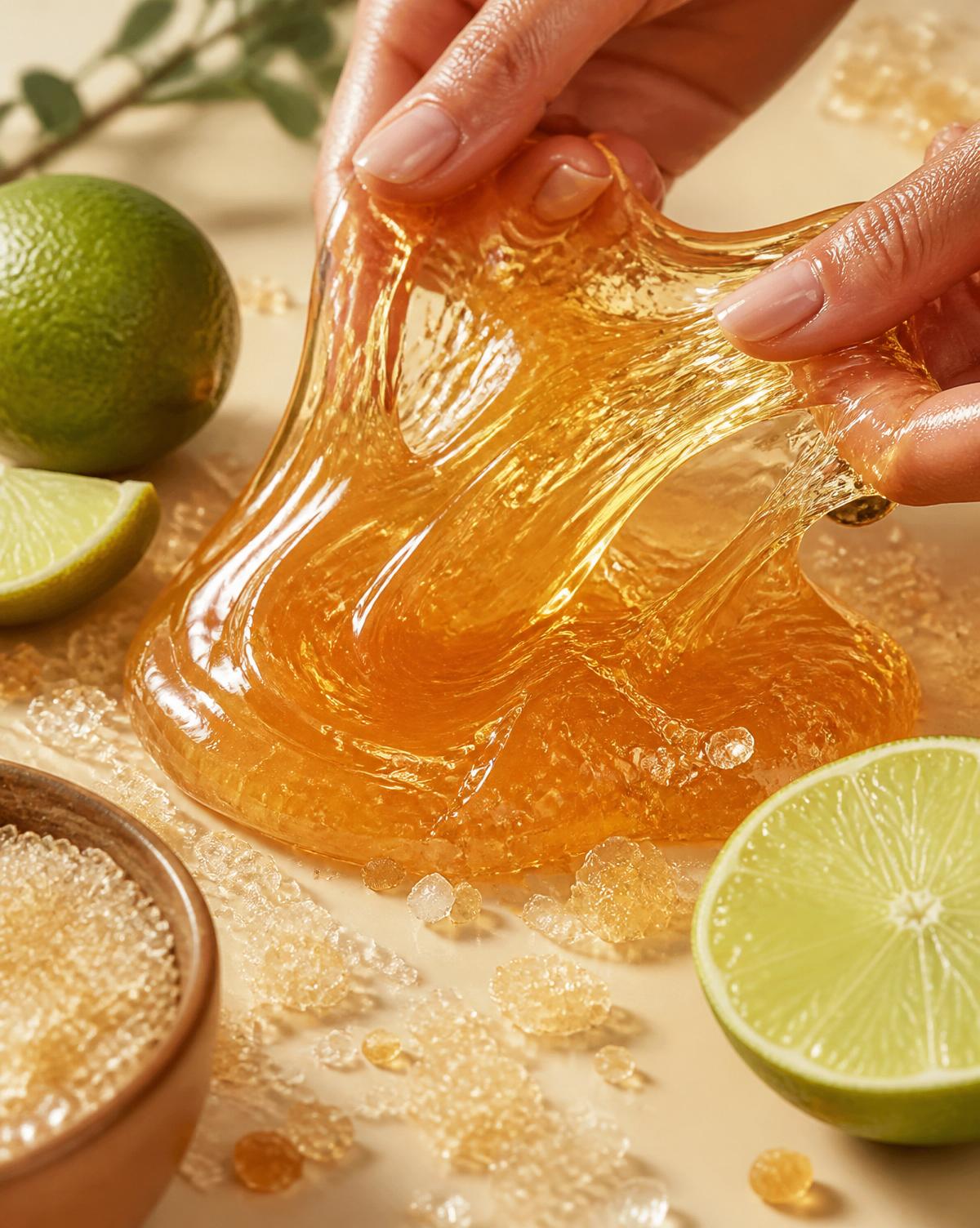
Organic sugar paste made of sugar, lemon and water used for sugaring hair removal

Organic sugaring

Sugaring is an ancient technique using a paste of melted sugar, lime or lemon juice and water — nothing else. The paste is worked into the hair against the growth and flicked out in the direction of growth, which is far less likely to snap the hair or damage the follicle. It stays at room temperature and peels fewer layers of the epidermis.

  • 100% natural ingredients
  • No heat — room-temperature paste
  • Removed with the direction of growth
Side by side

Sugaring vs waxing, line by line.

Waxing
Sugaring
Ingredients
Resins, waxes, oils — sometimes fragrance
Sugar, lemon juice, water — 100% natural
Temperature
Applied warm
Room temperature — no heat on skin
Direction of removal
Against hair growth
With hair growth
Skin lifting
Adheres to skin and hair
Adheres mainly to hair — fewer layers lifted
Minimum hair length
About 1/4 inch
As short as 1/8 inch
Clean-up
Requires oil-based remover
Rinses with warm water
Best for
Coarse, dense hair and large areas
Sensitive, reactive skin and ingrown-prone areas
Results last
3–6 weeks
3–6 weeks, often more even regrowth

Why sensitive skin usually prefers sugaring

Three things make the difference. First, temperature: sugar paste never gets hotter than the room, so there is no thermal stress on already-reactive skin. Second, ingredient purity — sugar, lemon and water contain no resins, preservatives or fragrance, the usual triggers for contact irritation. Third, direction: because the paste is removed with the direction of growth, the hair leaves the follicle along its natural path instead of being twisted against it, which reduces breakage, ingrown hairs and the little red bumps that show up after a session.

When waxing is still the better call

Waxing is not the harsh option — it is the efficient one. On very coarse hair, on large areas like full legs or a back, and when you want the shortest possible appointment, hard and soft wax perform brilliantly. Our estheticians frequently combine the two in one visit: hard wax where speed matters, sugar paste on the most delicate zones.

How to prepare either way

Arrive with clean, dry skin — no lotions or oils, since anything slippery keeps the wax or paste from gripping. Let hair grow to roughly 1/4 inch (about two weeks); sugaring can work with slightly less. Exfoliate gently 24 hours before, avoid sunburn, and tell your esthetician about retinoids, acids or any skin condition before you begin.
Common questions

Sugaring and waxing, answered.

For most sensitive-skin clients, yes. Sugar paste is applied at room temperature, bonds mainly to hair rather than living skin cells, and is removed in the direction of hair growth — which means less lifting of the epidermis, less heat, and typically less redness than traditional wax.

Still not sure which one is yours?

Our estheticians in Midtown Atlanta and Cartersville choose the method with you at the start of your appointment. Sessions are by appointment only — pick your studio and secure a time.

Book your session